Blaming One Company Will Not Fix a Much Larger Social Failure
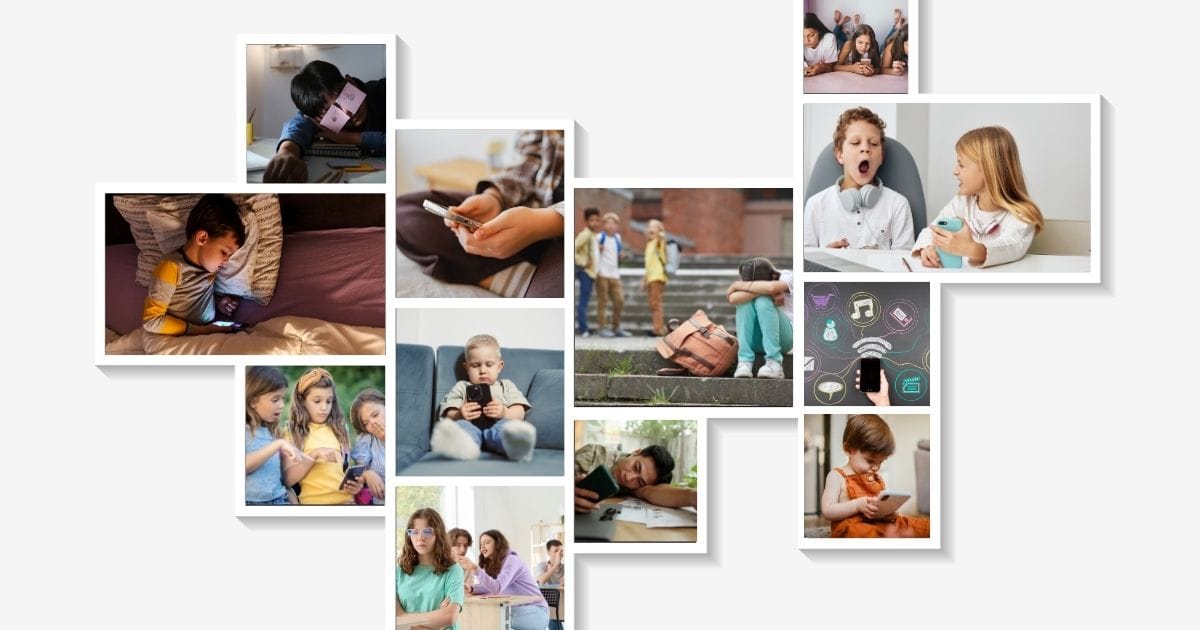
There is no question that social media can harm young people. Courts are taking those harms more seriously, and in March 2026, juries in California and New Mexico found Meta, and in one case Google, liable in cases involving harm to young users. Those decisions matter, and they should push technology companies to answer for platform design choices that can worsen depression, anxiety, compulsive use, and exposure to abuse.
However, blaming Meta alone for the mental health crisis among young people is still an oversimplification.
Social media may amplify existing problems, but it did not create them on its own. Treating one company as the sole villain ignores the larger breakdown in support, guidance, stability, and care that too many children and teenagers experience every day.
Social Media Can Intensify Harm, but It Is Not the Whole Story
Public debate often jumps too quickly from the claim that social media can be harmful to the claim that social media is the cause of the crisis. That leap is not supported by the broader evidence.

The U.S. Surgeon General’s advisory on youth mental health and social media explains that the effects of social media depend on many factors, including how much time young people spend online, what content they encounter, what kinds of interactions platforms encourage, and whether that use interferes with sleep, exercise, and other parts of healthy development. The advisory also notes that children and adolescents are affected differently depending on their individual vulnerabilities and their social and economic conditions.
That means social media is part of the problem, but it is not the whole problem.
A child who already feels isolated, unsupported, overwhelmed, or unseen is more likely to be harmed by a digital environment that rewards comparison, conflict, and endless engagement. A platform can intensify that pain, but it often enters the picture after other failures are already in place.
Too Many Young People Are Growing Up Without Enough Support
This is the larger issue.
Too many children and teenagers are growing up in systems that are stretched thin or failing them entirely. Some live in households where parents are overworked and exhausted. Some attend underfunded schools that cannot meet their emotional or mental health needs. Some have little or no access to counseling or treatment. Some are surrounded by adults who model blame instead of accountability. None of that begins with an app.
Federal data released by the Centers for Disease Control and Prevention (CDC) found that only 58.5% of U.S. teens said they always or usually received the social and emotional support they needed. The disparities were even worse for girls, Black and Hispanic teens, and LGBTQ+ teens. That is a warning sign that the support system around many young people is already weak before social media ever enters the equation.
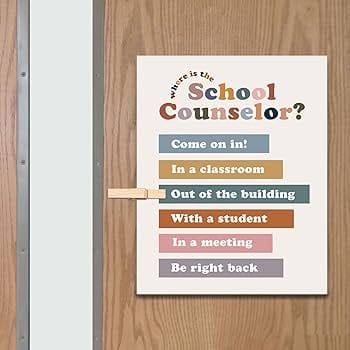
Schools are under strain as well. In 2024, the Institute of Education Sciences reported that only 48% of public schools said they could effectively provide mental health services to all students in need. The most common barriers were insufficient staffing, inadequate funding, and limited access to licensed mental health professionals.
The staffing shortage is especially telling. The American School Counselor Association recommends a student-to-counselor ratio of 250 to 1, but the national average for the 2024–2025 school year was 372 to 1. When schools do not have enough trained adults to support students, it is misleading to act as though one company alone created the crisis.
Accountability Should Not Stop With Meta
Another problem with the current debate is that it is too narrow.
If the argument is that platform design, open communication systems, weak moderation, and engagement-driven products can harm children, then the scrutiny should not stop at Meta. It should also extend to TikTok, Snapchat, YouTube, Roblox, and any other digital environment where minors can be exposed to harassment, manipulation, sexual exploitation, harmful comparison, or compulsive use.
Reuters reported on March 26, 2026, that thousands of lawsuits are pending against major technology companies over youth-harm claims and that more than 130 lawsuits are pending in federal court against Roblox over child-safety allegations. The broader legal theory now being tested is not just about one app. It is about a much wider digital ecosystem.
That does not mean every platform causes the same kind of harm in the same way. It means the public should be honest and consistent. If people are going to condemn harmful digital design, they should apply that standard across the board.
AI Is the Next Unfinished Crisis
Now add AI to the mix. Kids are using chatbots, AI companion apps, and image tools faster than adults or lawmakers are willing to deal with them. The problem is not that there are literally no rules. The problem is that the protections are patchy, late, and nowhere near adequate for how quickly these tools are moving into young people’s lives. Pew found in February 2026 that more than half of teens had already used chatbots, and 12% said they had used them for emotional support or advice. That should set off alarms. We are handing children systems that can flatter, influence, mislead, sexualize, and simulate care, and we are doing it without anything close to a mature public framework for safety. Social media was never the end of this conversation. AI is making the same failures bigger, faster, and harder to ignore.
Lawsuits May Punish Companies, but They Do Not Rebuild Support Systems
There is a place for legal action when companies knowingly design products in ways that put children at risk. Accountability matters. Safer products matter. Transparency matters. Better moderation, stronger protections for minors, and more responsible design all matter.
However, lawsuits are still a limited response to a much larger crisis.
They can punish companies. They can generate headlines. They can pressure platforms to change some features. What they cannot do is create emotionally healthy environments for children on their own.
A lawsuit cannot make parents less overworked. It cannot fully fund schools. It cannot lower counselor caseloads. It cannot guarantee that a teenager has a trusted adult to talk to. It cannot replace community stability, healthy boundaries, or the daily presence that children need in order to build resilience.
That is why blaming platforms alone becomes a cop-out. It allows society to act as though removing or punishing one bad actor is the same thing as solving the underlying problem. It is not.
What Young People Actually Need
If society is serious about helping young people, the response has to be bigger than blaming technology companies.
Young people need safer online spaces, but they also need stronger families, better-funded schools, more accessible mental health care, healthier boundaries around device use, and policies that invest in children instead of abandoning them and then reacting when the damage becomes visible.
The CDC states that school connectedness has long-lasting effects on health and well-being and that young people who feel connected at school are less likely to face a range of health risks. The CDC also states that strong bonds with families and other caring adults can protect adolescent mental health. That is the kind of support structure that actually changes outcomes.
Children do not just need less screen exposure. They need more support, more stability, more boundaries, and more adults willing to take responsibility.
Children Deserve Better Than a One-Villain Explanation
Blaming Meta for the mental health crisis among young people may be politically convenient, but it is not enough. Social media can amplify harm, sometimes severely. Technology companies should be held accountable when they build products that exploit vulnerability or ignore foreseeable risks.
However, one company did not create a generation-wide crisis on its own.
The deeper failure is social, institutional, and cultural. It is about what happens when schools are under-resourced, mental health care is out of reach, parents are stretched to the limit, and too many young people are left without the steady support they need.
Children deserve better, and that means expecting more from all of us.