
The Ritual of Showing Up
Every other Thursday, I virtually sit across from a woman who oftentimes sees me more clearly than I see myself. She is sharp, warm, and maddeningly good at holding a mirror up to the mess I carry into whatever space I find on virtual therapy days. Therapy days aren’t for the faint of heart. They’re for the brave. Or the desperate. Or, most days, the barely-holding-it-together types like me.
When Acceptance Feels Like Betrayal
Today’s topic was radical acceptance.
I wrinkled my nose before the words were fully out of her mouth. “Why would I accept something that is wrong? That hurt me? That shouldn’t have happened?” To me, acceptance felt like letting the offender off the hook. Like asking my own body and heart to betray themselves by saying, “Yes, this happened,” without demanding an apology first.
So I tried to negotiate. “How about radical acknowledgment instead?”
My therapist smiled. “Acknowledgment isn’t radical. It’s step one.”
Then she said something that shifted the earth beneath me. “Even Martin Luther King Jr. radically accepted the failures of his government. Acceptance doesn’t mean it’s right. It means it’s real.”
What Is Radical Acceptance, Really?
Clinically, radical acceptance is a core concept in Dialectical Behavior Therapy (DBT), developed by psychologist Marsha Linehan. It means fully and completely accepting the reality of your life, in this moment, with your mind, body, and spirit. No minimizing. No denial. No rage-fueled bargaining with the past.
Here’s what it doesn’t mean:
- It doesn’t mean approving of what happened.
- It doesn’t mean forgiving someone who hurt you.
- It doesn’t mean letting go of your boundaries or values.
Unclenching the Fist
That’s what radical acceptance is. Not a permission slip for pain to run wild, but a gate. One you walk through to meet yourself. It’s the moment your grip on what-should-have-been finally softens enough to let what-is breathe. It’s standing in your truth without adding a layer of self-punishment for not preventing the impossible.
Radical Acceptance as a Power Move
What I learned today is that acceptance isn’t weakness. It’s an act of courage.
It’s not saying, “This should or shouldn’t have happened.”
It’s saying, “It did happen. And I’m no longer going to let it define or destroy me.”
It’s the moment your grip on what-should-have-been finally softens enough to let what-is breathe.
It’s standing in your truth without adding a layer of self-punishment for not preventing the impossible.
Not Ready. Still Trying. Still Here.
I’m not there yet. I’m still angry. Still bargaining. Still rehearsing conversations I’ll never get to have. But I’m learning. Slowly. That stopping the internal war isn’t the same as losing.
Sometimes, it’s how we finally begin to win.
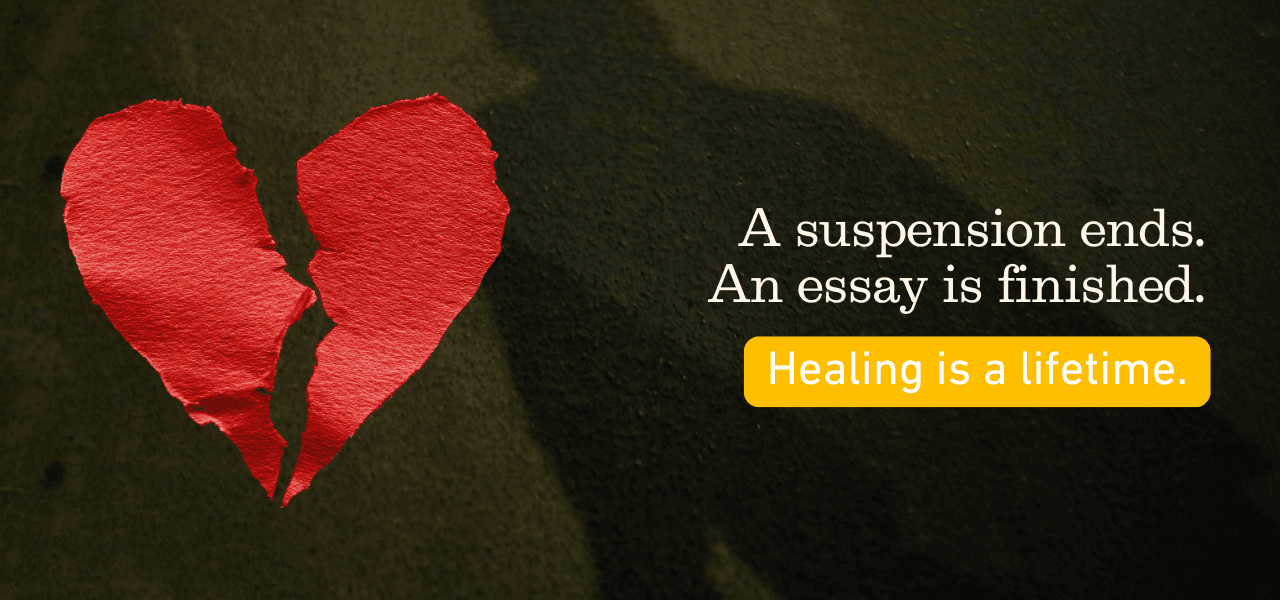
Because healing isn’t about erasing what happened. It’s about choosing not to let it hold the pen anymore.





I found this literally by googling “radical Acceptance is Bullshit.” My therapist asked me last week to work on this and I’ve been trying but today this is the phrase that came to mind. I can accept my past but I dont know how to stop the random triggers that pop up here and there occasionally that transport me right back to being that miserable sad scared lonely and confused 12-year-old. In fact I think I “accepted” my past long ago. I think Ive mostly come to terms with it even. But this feels like its asking me to not have any feelings about it. And thats something I’m not sure I know how to do.
It took me awhile to realize that radical acceptance is not pretending something didn’t hurt you, and it’s not becoming emotionless about your past. It’s not “this was okay,” because it wasn’t, but “this happened, and I cannot change that it became part of my story.”
The triggers are the hard part because our brains and bodies don’t always understand time the same way our logical minds do. Sometimes a smell, a tone, a memory, or a random Tuesday can pull us right back into being 12 years old again before we even realize what’s happening.
And honestly? Having feelings about your past does not mean you’ve failed at acceptance. I think sometimes acceptance just means we stop punishing ourselves for still having those feelings.
I’m really glad you found the article, especially on a day when “radical acceptance is bullshit” felt true. I think a lot more people feel that than they admit.
And for what it’s worth, I think the fact that you can describe all of this so thoughtfully says a lot about how much work you already have done.